
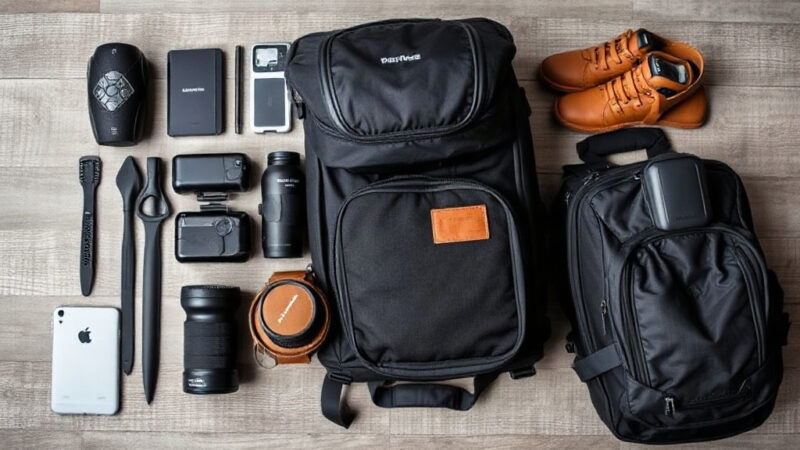
The suitcase you drag into a three-day gaming convention should look nothing like the one you take to a beach resort. When you pack for a multi-day gaming convention, you are planning for long hours on your feet, crowded halls, spotty sleep, and a schedule that rarely allows a proper meal break. Forums and community threads such as //gamesplatformhub.com/ show how often first-timers underestimate this. The right gear protects your energy and your wallet. A padded bag, a solid sleep plan, and smart packing habits carry more weight than any single gadget.
Quick answer: Pack light layers, broken-in shoes, a refillable water bottle, snacks, a power bank with cables, a compact bag for the show floor, and a sleep kit for your hotel room. Bring only what you can carry comfortably all day, and leave room for merchandise. Comfort and stamina matter far more than clever extras.
What is pack for a multi-day gaming convention?
Packing for a multi-day gaming convention means building a portable kit that keeps you functional from a morning queue to a late-night tournament. It is not a single list. It is a plan for food, sleep, charging, hygiene, and the small items that prevent a good trip from turning into a sore, exhausted slog. The goal is to handle the predictable problems before they happen: a dead phone, aching feet, an empty stomach, and no quiet place to recover.
Three systems do most of the work:
- A day bag you carry inside the venue.
- A clothes and toiletries set that handles long, warm hours in dense crowds.
- A hotel recovery kit that helps you sleep and reset each night.
You also carry the invisible load. Cash and cards, an ID, tickets, and any prescription medication belong at the top of the list. A convention badge often lives on a lanyard, so keep one where you can find it without digging.
The show floor sets the baseline requirements. In most large halls, air conditioning struggles, so a light layer you can remove beats a heavy jacket. Floors are concrete or thin carpet, so a day of walking may cover more distance than expected. Food queues eat into your schedule, which makes shelf-stable snacks a practical tool rather than a luxury.
One easy test is to pack as if you were going hiking in a city. If you would not carry it for eight hours, leave it home. A pack that fits under a seat is easier to manage in crowded aisles and escalators. Think comfort, backups, and small repairs, not maximum gear.
One spare charging cable and a small roll of tape solve more convention problems than a third pair of shoes. Focus on backups for the items that fail most often.
Takeaway: Treat packing as building three kits — day bag, clothing, and hotel recovery — and every decision gets simpler.
Why pack for a multi-day gaming convention matters
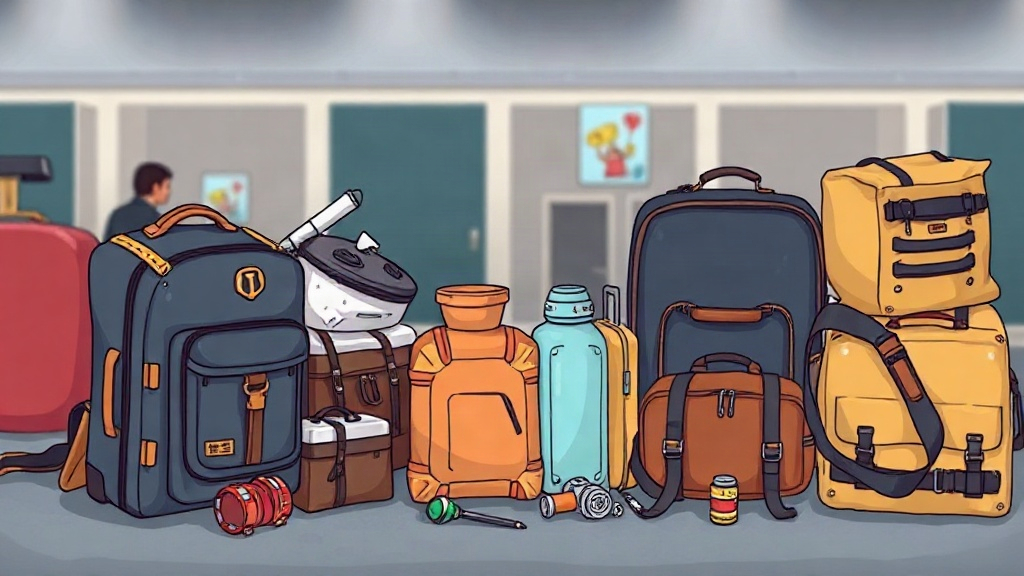
A convention tests your body in ways a normal weekend does not. Museum studies have long shown that visitors walk for hours without noticing, and a gaming convention magnifies that with three or four days of the same routine. Poor footwear or a light water bottle shows up as pain and lost energy by day two. Most of the damage compounds: blisters get worse, sleep debt stacks up, and a tired mind plays slowly. Packing well prevents most of that.
Cost matters just as much. Venue food is convenient but expensive, and a four-day trip multiplies the markup. Carrying snacks and a refillable bottle trims daily spending without cutting into your schedule. A power bank costs less than missing a digital tournament check-in because your phone died. Small preparational choices feed directly into what you can afford to enjoy.
There is also a social dimension. Conventions reward people with energy for meetups, pickup games, and late-night sessions. If you are hungry, overheated, and running on five hours of sleep, you skip those moments. A well-packed bag keeps you present and willing to say yes.
Health and downtime deserve planning. Crowded halls spread germs easily, so hand sanitizer and a few basics help. Earplugs protect sleep in a noisy hotel. A simple backup plan for a day when you need rest costs little and prevents a ruined trip.
PAX West tips written by attendees often stress the same point: the people who last through the weekend pack light and think about stamina first. Whatever convention you attend, the principle holds. Good packing is cheap insurance for a trip you spent months saving for.
Takeaway: Packing protects your energy, your money, and your ability to join the fun, which is the whole reason you are going.
Best practices
Start with a packed bag that serves you all day. A compact backpack or sling should hold water, snacks, a power bank, and a light layer without weighing you down. Test it at home with a full bottle. If your shoulders ache after an hour of walking, choose something smaller.
Limit clothing to a capsule set you can mix and match. Pack half as many outfits as days, with easy laundry or a sink-wash fallback. Quick-drying fabrics handle the venue heat better than heavy cotton. Break in your shoes for at least a week before the trip, and pack a second pair to alternate. Rotating shoes reduces hot spots.
Plug in your power bank and phone before bed, and confirm they are at full power before you leave the room. A small checklist on your phone keeps it reliable.
For the show floor, carry a modest pack rather than a giant one. Security lines and crowded aisles punish bulky bags. Include a refillable bottle, a few high-calorie snacks, and a folded tote for merchandise. Keep cash and cards in a secure pocket rather than a loose side pouch.
Plan the hotel kit as carefully as the day bag. A sleep mask, earplugs, and a familiar small item from home help you rest in an unfamiliar room. Pack any medication in your carry bag, not the suitcase, and keep the original labels. Add a basic first-aid kit with blister plasters, pain relievers, and anything you use regularly.
Build a replenishment routine instead of a one-time packing pass. Each evening, restock snacks and charge everything. Each morning, take only what you need for the day and leave the rest in the room. This rhythm prevents the slow chaos that drains a four-day trip.
Takeaway: Pack around a tested day bag, minimal clothing, and a deliberate hotel kit, then refill it every evening.
Common mistakes to avoid
The most common mistake is packing for the event you imagine rather than the event you will attend. People fill a bag with cameras, spare consoles, and heavy extras, then abandon most of it by day two. Bring what you will carry all day, and leave the rest at home or in the room.
Another frequent error is forgetting that plans change. A packed schedule of scheduled sessions often collapses once queues appear. Leave slack in both your bag and your day. Pack flexible snacks and a light layer, and plan to eat before the midday rush rather than during it.
If your only bag holds your wallet, phone, and passport, a temporary loss disrupts the whole trip. Split valuables across two places on your person.
Watch for these traps:
- Overpacking shoes and clothes. You will wear the same favorites anyway.
- Skipping the power bank. Phone batteries fail fast with constant photos and apps.
- Ignoring hydration. Buying drinks all day adds up and slows you down.
- Forgetting a badge holder or lanyard. Daily badge handling is easier with one.
- Leaving medication in the suitcase. Keep it on you.
- Assuming hotel basics. Some rooms lack a fridge or kettle; confirm before you arrive.
A final trap is arriving without a plan for the last day. Most conventions feel calmer on closing day. Check out with a simple list rather than stuffing loose items into bags and hoping for the best.
Takeaway: Avoid overpacking, spread your valuables, and plan for the day to change, because it usually does.
FAQ
How much should I expect to spend on supplies for the trip?
Budget mostly for food, water, and travel rather than gear. A refillable bottle, a power bank, and snacks are one-time or low-cost purchases that usually save money across the weekend. Set a daily food budget, then bring enough snacks to reduce how often you buy at venue prices.
What should I do if I forget something important?
Check whether your hotel offers a small shop or a local convenience store is nearby. Convention centers often sit within walking distance of basic supplies. For medication, contact your prescriber or a local pharmacy before substituting anything. Build a small backup kit on your first night.
How should I pack for a convention in a different climate?
Check the local forecast for the days you will attend, then pack layers rather than one heavy item. Warmer venues call for lighter clothing and more water; colder ones need a warm outer layer for early mornings and queues. A compact rain layer helps in wet cities.
Is it worth bringing a console or gaming laptop?
Bring gear only if you have a specific plan and a secure place at your hotel. Most people walk enough without carrying heavy electronics. A portable device for evenings in your room can be pleasant, but your day bag should stay light.
What is the best way to manage laundry on a four-day trip?
Choose quick-drying clothing and pack a few sink-wash items, or find a nearby laundromat for a midday reset. Many hotels offer laundry service, usually at a higher price. Pack clothing you can rewear without looking rumpled, and plan the mid-trip wash day in advance. Pack less, and you will spend more time enjoying the event.
Conclusion
The best packing plan keeps you comfortable, mobile, and rested across several long days. Build a day bag you can carry without strain, choose shoes and clothing that handle hours of walking, carry a power bank and refillable bottle, and treat sleep and snacks as part of your gear. Avoid overpacking and keep your valuables split between two places.
Before your next trip, write your own short checklist and test it on a full day out. That single dry run will tell you more than any list. Pack for stamina first, and the games will take care of themselves.
