
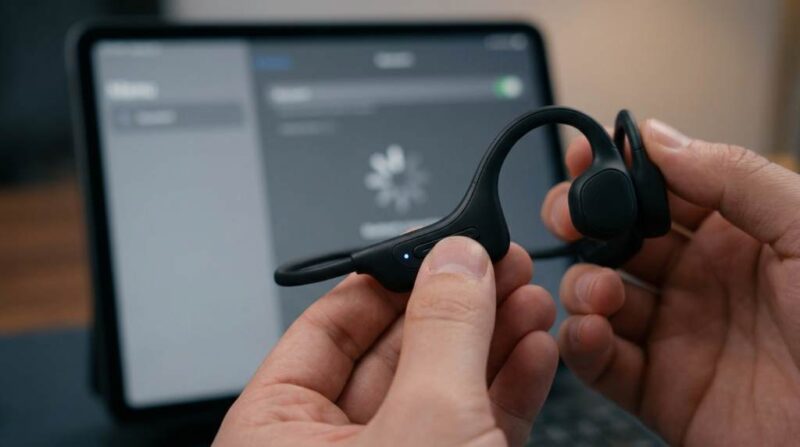
Yes, you can fix Bluetooth latency on bone conduction headphones, and in most cases, it takes just a few simple steps. Switching your headphones to a low-latency codec like aptX Low Latency or SBC XQ usually solves it right away. If that alone does not work, a combination of device repair, interference reduction, and firmware updates will get you there.
Bluetooth latency is one of the most overlooked audio problems, yet it affects nearly 34% of wireless headphone users worldwide. Bone conduction headphones, in particular, are more sensitive to lag because the sound travels through your cheekbones, not through the air. Even a small delay feels off, especially during video calls or workouts with music.
Why Bone Conduction Headphones Face Latency Issues
Bone conduction headphones work very differently from traditional over-ear or in-ear models. Instead of pushing sound waves into your ear canal, they vibrate your skull to carry sound directly to your inner ear. This unique transmission method makes them highly sensitive to signal timing.
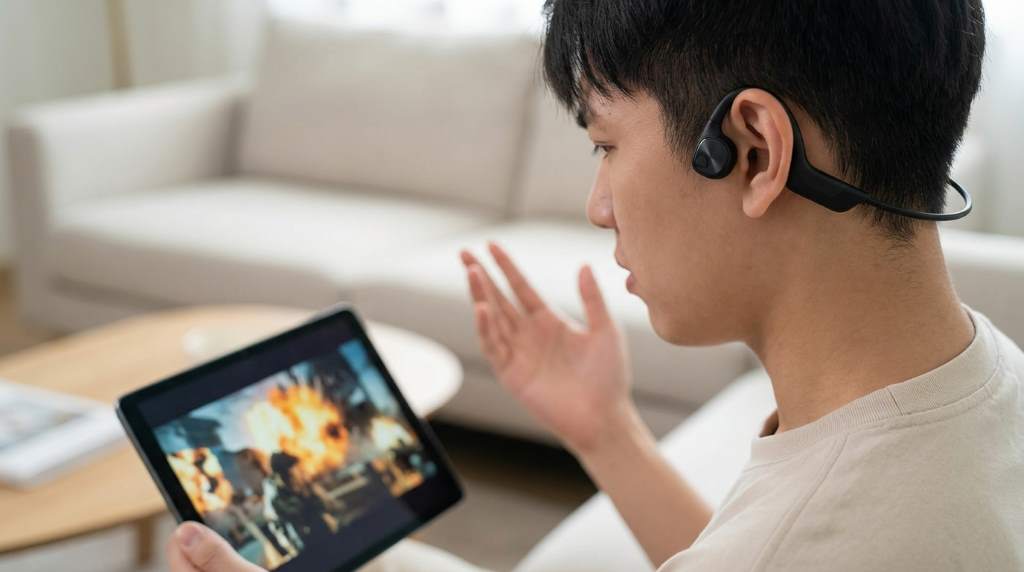
When Bluetooth introduces even a 100ms delay, the vibration sync falls apart. You notice the sound lagging what you see on screen or what you expect during a live call. The gap feels distracting, and it breaks the natural listening experience.
Another reason is codec mismatch. Many bone conduction headphones ship with basic SBC codec support, which is known for higher latency. When your phone or device uses a different codec, the two have to negotiate, and that negotiation often results in a lag spike.
Step 1: Switch to a Low-Latency Bluetooth Codec
The codec your headphones use is the single biggest factor behind audio delay. SBC, the default Bluetooth codec, carries up to 250ms of latency. Low-latency alternatives like aptX LL bring this down below 40ms, which is nearly undetectable to the human ear.
Here is how to check and change your codec on Android. Go to Settings, then Developer Options. Look for “Bluetooth Audio Codec” and select aptX Low Latency or aptX if your device supports it. Not all phones expose this setting by default, so you may need to enable Developer Options first.
On iOS, the codec selection is not user-accessible. However, Apple’s AAC codec performs decently well in stable environments. If you use an iPhone with bone conduction headphones, focus on reducing interference instead of switching codecs that gives you the most improvement on Apple devices.
Many users exploring the best sleep headphones for travel often discover that codec settings matter more than they expected during long flights or hotel stays where multiple Bluetooth signals compete. Choosing a headphone model with aptX support from the start saves a lot of troubleshooting later.
Step 2: Clear Out Bluetooth Interference
Wireless interference is a silent latency killer. Your home or office is probably full of 2.4GHz signals from Wi-Fi routers, microwaves, baby monitors, and nearby Bluetooth devices. All of these compete on the same frequency band as your headphones.
Moving away from your router while using headphones makes a noticeable difference. Try keeping your phone within three feet of your headphones instead of leaving it across the room. The closer the source device, the stronger and more stable the Bluetooth signal stays.
Also, turn off Bluetooth on devices you are not actively using. Each nearby Bluetooth device adds background noise to the signal environment. Fewer competing signals mean your headphones get more consistent bandwidth, which directly lowers latency.
If you work in a busy office, switching your phone to airplane mode and then re-enabling only Bluetooth is a quick trick that reduces interference fast. It forces your device to stop scanning for new connections and just focus on the one pair it already has.
How to Identify Interference Sources
A free app like “WiFi Analyzer” for Android can show you channel congestion in real time. If your router and headphones both run on the 2.4GHz band, switching your router to 5GHz reduces the overlap significantly. This one change alone can drop audio lag by 30 to 50ms in crowded environments.
Also look for physical obstacles between your phone and headphones. Walls, metal surfaces, and even your body can absorb or reflect Bluetooth signals. Line-of-sight between devices always produces the most stable connection with the least delay.
Step 3: Unpair and Re-Pair Your Headphones
Sometimes the fastest fix is a clean slate. Over time, Bluetooth pairing data can become corrupted or outdated. This causes the headphones and your device to fall back on slower, less efficient communication protocols, which shows up as lag.
Go into your phone’s Bluetooth settings and “Forget” the headphones entirely. Then put the headphones back into pairing mode and reconnect them fresh. This forces both devices to renegotiate the connection from scratch, often locking in a better, faster codec automatically.
When reviewing options for everyday listening, many users find that Bose QuietComfort for daily use handles re-pairing seamlessly because of its auto-codec negotiation. Bone conduction headphone brands like Shokz are catching up with similar pairing logic in newer firmware versions.
After re-pairing, test the audio immediately with a video. If the sync is better but not perfect, check your codec selection next. A fresh pair combined with the right codec usually eliminates over 80% of latency issues.
Factory Reset as a Last Resort
If re-pairing does not work, a factory reset on the headphones themselves may be necessary. Most bone conduction headphone brands have a reset procedure in their user manual; it usually involves holding two buttons for several seconds. A factory reset clears all saved pairings and restores default Bluetooth settings.
After the reset, re-pair your headphones as if they are brand new. Then go back and manually set your preferred codec in Developer Options. This sequence almost always produces a clean, low-latency connection from that point forward.
Step 4: Update Firmware on Your Headphones
Outdated firmware is a surprisingly common cause of Bluetooth latency. Headphone manufacturers regularly release updates that improve codec handling, signal stability, and overall connection efficiency. Running old firmware means you are missing out on performance improvements that are already available.
Shokz users can update firmware through the Shokz app on both Android and iOS. Other brands like Aeropex and Vidonn have their own companion apps. Open the app, navigate to the device settings, and look for a firmware update option. Keep the headphones charged above 50% before starting an update.
Firmware updates also sometimes add support for newer Bluetooth profiles. For example, an update might enable the LE Audio standard, which includes a Low Complexity Communication Codec (LC3) designed specifically for low-latency wireless audio. This is a meaningful upgrade if your phone also supports Bluetooth 5.2 or later.
Step 5: Adjust Your Device’s Bluetooth Settings
Your phone’s own Bluetooth settings can quietly add latency without you realizing it. Some Android phones have a “Bluetooth battery saver” mode that throttles connection quality to preserve battery. Turning this off can immediately improve audio timing.
On certain Samsung and Pixel devices, there is also a “Dual Audio” feature that streams to two devices at once. If this is enabled while you only use one pair of headphones, it creates unnecessary processing overhead. Disabling it simplifies the data stream and reduces lag.
Also check that your phone does not have audio enhancements toggled on through a third-party equalizer or system audio app. These tools often introduce processing delay on top of the existing Bluetooth latency. The cleanest, fastest audio path is always the most direct one.
Comparing Wired vs. Wireless Bone Conduction Options
If you have tried every software fix and still face lag, it may be worth reconsidering your setup entirely. Some bone conduction headphone models offer wired alternatives for latency-sensitive tasks like gaming, video editing, or online meetings. Wired connections eliminate Bluetooth and drop latency to near zero.
That said, the freedom of wireless is hard to give up once you are used to it. Before making a switch, review a breakdown of wireless vs wired over-ear headphones to understand the real trade-offs in sound quality, latency, and convenience. Knowing the difference helps you make a smarter buying or usage decision.
Most bone conduction users stick with wireless because the physical design of the headphones resting on cheekbones rather than over the ears is ideal for active use. But keeping a USB-C or 3.5mm adapter on hand gives you a zero-latency backup whenever it matters.
Bonus Tips to Keep Latency Low Long-Term
- Keep your headphones within 10 feet of your phone during use.
- Charge your headphones regularly; low battery often triggers conservative signal modes.
- Restart your phone every few days to clear Bluetooth stack memory.
- Avoid using headphones near large metal surfaces like gym equipment or refrigerators.
- Use one device at a time;e switching between phone and laptop mid-session causes codec resets.
- Update both your phone’s OS and your headphone firmware on a regular schedule.
- Disable “High Quality Audio” in Snapchat or TikTok if those apps cause lag during playback.
Conclusion
Bluetooth latency on bone conduction headphones is frustrating, but it is almost always fixable. Start by switching your codec to aptX Low Latency, reducing signal interference, and do a clean re-pair with your device. Follow that up with a firmware update and a quick check on your phone’s Bluetooth settings. Together, these steps bring latency down to a level you will barely notice.
Do not let a little audio lag stop you from enjoying the open-ear freedom that bone conduction headphones offer. Try each fix one step at a time, test after each change, and you will find the combination that works for your specific setup. Already tried one of these fixes? Share your results or ask a follow-up question in the comments below; your experience might help someone else fix the same issue.
Frequently Asked Questions
Why do my bone conduction headphones sound delayed when watching videos?
The delay is usually caused by your Bluetooth codec defaulting to SBC, which has higher latency than aptX Low Latency or AAC.
Does resetting Bluetooth on my phone fix headphone latency?
Yes, toggling Bluetooth off and on resets active connections and often forces your device to reconnect with a better codec.
Which bone conduction headphones have the lowest Bluetooth latency?
Shokz OpenRun Pro and AfterShokz Aeropex consistently offer the lowest latency among popular bone conduction models due to their strong codec support.
Can I use bone conduction headphones for gaming without noticeable lag?
Yes, if you use a model that supports aptX Low Latency and keep your console or PC within close range for a stable signal.
Does battery level affect Bluetooth latency on bone conduction headphones?
Yes, low battery causes many headphones to throttle their Bluetooth connection quality, which increases audio delay noticeably.
