
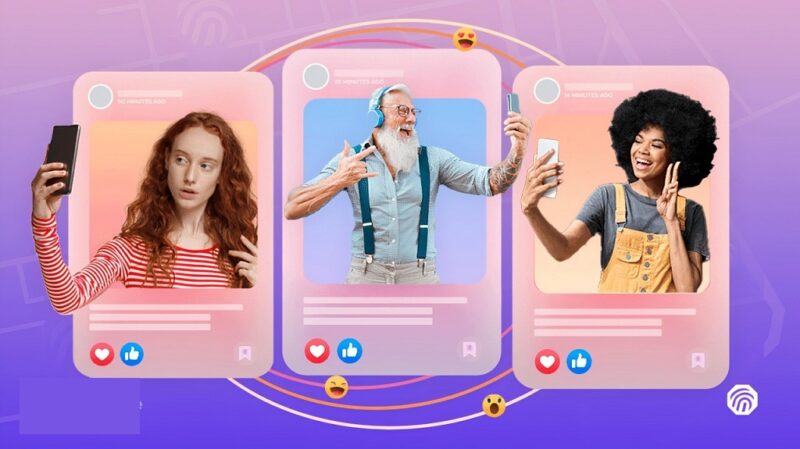
The digital marketing landscape has undergone a dramatic transformation in recent years. Traditional advertising methods are losing their grip on consumer attention. Meanwhile, authentic voices are gaining unprecedented influence over purchasing decisions. Marketing agencies like Hawaii Web Studio recognize this shift and help brands navigate the evolving influencer ecosystem. Companies worldwide are discovering that smaller, more targeted audiences often deliver better results than massive follower counts.
The rise of social media has democratized influence. However, not all influencers are created equal. While celebrity endorsements once dominated marketing strategies, a new breed of content creators is emerging. These individuals possess smaller but highly engaged audiences. They represent a powerful force in modern marketing campaigns.
What is the role of micro-influencers? This question has become central to marketing strategies across industries. Micro-influencers bridge the gap between everyday consumers and major brands. They offer authenticity that traditional advertising cannot match. Additionally, they provide cost-effective solutions for businesses of all sizes.
Understanding Micro-Influencers
Micro-influencers are content creators with follower counts ranging from 1,000 to 100,000. They occupy a unique position in the social media hierarchy. Unlike mega-influencers with millions of followers, micro-influencers maintain intimate relationships with their audiences. Their recommendations feel like advice from a trusted friend rather than paid advertisements.
These influencers typically focus on specific niches. They might specialize in fitness, cooking, fashion, or technology. Their expertise in particular areas makes their endorsements more credible. Furthermore, their smaller audiences allow for meaningful interactions and genuine engagement.
The authenticity factor sets micro-influencers apart from their larger counterparts. They often share personal stories and experiences. Their content feels genuine and relatable. Consequently, their followers trust their opinions and recommendations more readily.
The Power of Authentic Engagement
Engagement rates tell a compelling story about micro-influencer effectiveness. Research consistently shows that micro-influencers achieve higher engagement rates than macro-influencers. While a celebrity might reach millions, their engagement percentage often falls below 2%. Conversely, micro-influencers frequently maintain engagement rates between 5% and 10%.
This higher engagement translates into real business value. When followers actively comment, share, and interact with content, they demonstrate genuine interest. They are more likely to consider purchasing recommended products. Therefore, brands receive better return on investment from micro-influencer partnerships.
Trust plays a crucial role in this dynamic. Micro-influencers have not yet reached the level where every post feels like an advertisement. Their followers still view them as peers rather than distant celebrities. This perception creates a foundation for authentic recommendations and honest reviews.
Cost-Effectiveness and Accessibility
Budget constraints often limit marketing opportunities for small and medium-sized businesses. Traditional advertising channels require significant financial investments. Television commercials, print advertisements, and celebrity endorsements demand substantial budgets. However, micro-influencer marketing offers an affordable alternative.
Most micro-influencers charge reasonable fees for sponsored content. Many are willing to work with brands in exchange for free products or modest payments. This accessibility allows smaller businesses to compete with larger corporations in the influencer marketing space.
Additionally, working with multiple micro-influencers costs less than partnering with a single macro-influencer. Brands can diversify their campaigns across different niches and demographics. This approach reduces risk while maximizing reach and impact.
Targeted Audience Reach
Micro-influencers excel at reaching specific target demographics. Their niche focus attracts followers with shared interests and characteristics. A fitness micro-influencer naturally attracts health-conscious individuals. A cooking enthusiast draws food lovers and home chefs.
This targeted reach eliminates wasted impressions. Instead of broadcasting messages to broad audiences, brands can focus on likely customers. The precision of micro-influencer marketing improves conversion rates and reduces customer acquisition costs.
Geographic targeting also becomes possible with micro-influencers. Local influencers can promote restaurants, shops, and services to nearby audiences. This hyper-local approach proves particularly valuable for businesses with physical locations.
Building Brand Loyalty Through Relationships
Micro-influencers excel at building lasting relationships between brands and consumers. Their personal connection with followers creates opportunities for ongoing engagement. Unlike one-time advertisement exposures, micro-influencer partnerships can develop into long-term brand advocacy.
These relationships extend beyond individual posts or campaigns. Micro-influencers often become genuine brand ambassadors. They continue promoting products they truly enjoy even after formal partnerships end. This organic advocacy provides ongoing marketing value without additional costs.
Furthermore, micro-influencers can provide valuable feedback about products and services. Their close relationship with audiences gives them insights into consumer preferences and pain points. Brands can use this information to improve offerings and develop new products.
Measuring Success and Return on Investment

Measuring micro-influencer campaign success requires different metrics than traditional advertising. Follower count becomes less important than engagement quality. Comments, shares, and meaningful interactions indicate genuine interest and influence.
Click-through rates to brand websites often exceed those of other marketing channels. Micro-influencer audiences are more likely to visit product pages and make purchases. Tracking promo codes and affiliate links helps quantify direct sales impact.
Brand awareness metrics also show positive results from micro-influencer campaigns. Social media mentions, hashtag usage, and brand searches typically increase following successful partnerships. These indicators suggest improved brand recognition and consideration.
Challenges and Considerations
Despite their advantages, micro-influencer partnerships present unique challenges. Managing relationships with multiple influencers requires more time and effort than working with a single celebrity. Brands must develop systems for communication, content approval, and performance tracking.
Quality control becomes crucial when working with numerous content creators. Each influencer has their own style and approach. Maintaining brand consistency while preserving authenticity requires careful balance and clear guidelines.
Additionally, identifying the right micro-influencers takes research and expertise. Not every content creator with a small following will be effective for every brand. Alignment between influencer values, audience demographics, and brand objectives is essential for success.
The Future of Micro-Influencer Marketing
The micro-influencer trend shows no signs of slowing down. Social media platforms continue evolving to support authentic, community-based content. Algorithm changes often favor engagement over follower count, benefiting micro-influencers.
Artificial intelligence and data analytics are improving influencer selection and campaign optimization. Brands can now identify ideal micro-influencer partners more efficiently. Performance prediction and audience analysis tools help maximize campaign effectiveness.
Moreover, younger consumers increasingly value authenticity over celebrity status. They prefer recommendations from relatable individuals rather than distant stars. This generational shift suggests micro-influencer marketing will continue growing in importance.
Read More Also: How to Grow an Active Discord Server Step-by-Step
Conclusion
Micro-influencers have transformed modern marketing by providing authentic, cost-effective, and targeted promotional opportunities. Their genuine relationships with engaged audiences create trust that traditional advertising cannot match. Brands benefit from higher engagement rates, better return on investment, and access to specific demographic segments.
However, successful micro-influencer campaigns require careful planning and execution. Brands must invest time in identifying suitable partners and maintaining quality relationships. The effort pays off through improved brand awareness, customer loyalty, and sales performance.
As digital marketing continues evolving, micro-influencers will likely play an increasingly important role. Their ability to connect brands with engaged, trusting audiences makes them valuable partners in the modern marketing landscape. Companies that embrace this trend early will gain competitive advantages in their respective markets.
Read More Also: Can a Weak GPU Cause Monitor Ghosting?
Frequently Asked Questions
Q: How many followers does someone need to be considered a micro-influencer?
A: Micro-influencers typically have between 1,000 and 100,000 followers. However, engagement rate and audience quality matter more than exact follower count.
Q: How much should brands pay micro-influencers for sponsored content?
A: Payment varies widely based on follower count, engagement rate, and industry. Many micro-influencers charge $100-$500 per post, though some work for free products or lower fees.
Q: What platforms are best for micro-influencer marketing?
A: Instagram, TikTok, and YouTube are the most popular platforms. However, the best choice depends on target audience demographics and campaign objectives.
Q: How can brands find the right micro-influencers for their campaigns?
A: Brands can use influencer marketing platforms, search relevant hashtags, or work with agencies specializing in influencer partnerships. Manual research often yields the best results.
Q: What metrics should brands track to measure micro-influencer campaign success?
A: Key metrics include engagement rate, click-through rate, conversion rate, brand mention increase, and overall return on investment. Quality of engagement matters more than quantity.
