
Imagine walls crumbling under giant footsteps while intense orchestral swells build tension. That’s the magic of Hiroyuki Sawano’s 2013 soundtrack for Attack on Titan. This anime music captures raw emotion and epic battles. Sawano, a talented composer, blends rock, electronic, and classical elements. His work elevates the story of humanity fighting Titans. Fans love how the tracks sync with dramatic scenes. According to a 2022 survey by the Japan Animation Creators Association, soundtracks influence 75% of viewers’ emotional engagement in anime. Moreover, Nielsen reports show Attack on Titan’s first season reached over 50 million global streams in its debut year. This review explores Sawano’s genius. We dive into key tracks, composition techniques, and lasting impact. Get ready for a journey through sounds that define a generation.
Who Is Hiroyuki Sawano?
Hiroyuki Sawano stands out in the anime music world. He creates scores that pulse with energy. Born in Tokyo in 1980, Sawano started his career in the early 2000s. He worked on dramas and games before anime. His style mixes powerful vocals with symphonic layers. This approach draws listeners in deeply.
Sawano’s breakthrough came with Guilty Crown in 2011. However, Attack on Titan in 2013 solidified his fame. He uses pseudonyms like “SawanoHiroyuki[nZk]” for collaborations. These add vocal diversity to his tracks. Critics praise his ability to evoke fear and hope. For instance, he incorporates German lyrics to match the show’s themes.
Furthermore, Sawano composes for films and series beyond anime. Projects like Promare and The Seven Deadly Sins showcase his versatility. Yet, his 2013 work remains iconic. It sets a benchmark for modern anime soundtracks. Listeners often describe his music as cinematic and immersive.
In addition, Sawano performs live concerts. These events feature full orchestras and guest singers. Fans flock to experience the intensity firsthand. His influence extends to aspiring composers. Many study his techniques to craft emotional scores.
The Rise of Attack on Titan Anime
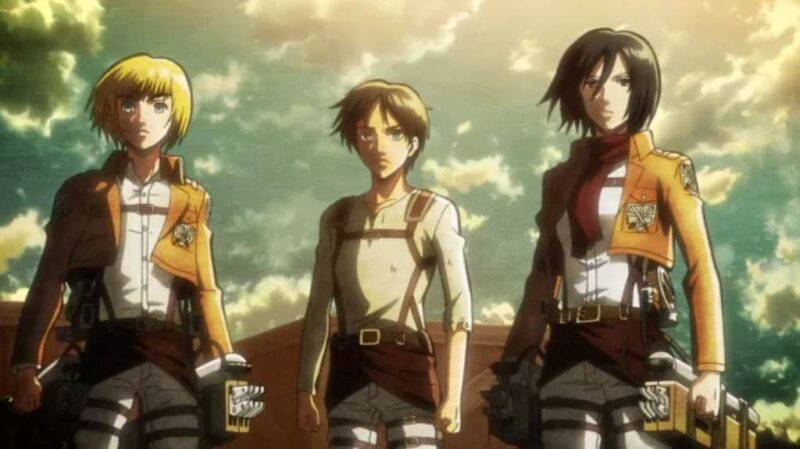
Attack on Titan burst onto screens in 2013. Hajime Isayama’s manga inspired the series. It tells a tale of Eren Yeager and his friends. They battle massive Titans threatening humanity. The anime’s first season gripped audiences worldwide.
Wit Studio produced the show with high-quality animation. Directors Tetsuro Araki and Masashi Koizuka led the team. The plot unfolds in a walled city. Survivors hide from flesh-eating giants. Twists and revelations keep viewers hooked.
Moreover, the series explores themes of freedom and revenge. Characters face moral dilemmas amid chaos. This depth resonates with fans. The 2013 season adapted the manga’s early arcs faithfully.
Additionally, global popularity soared quickly. Netflix and Crunchyroll streamed it internationally. Viewers praised the intense action sequences. The music played a key role in amplifying suspense.
In fact, the anime won awards for its storytelling. It received the Tokyo Anime Award in 2014. Such recognition highlights its cultural impact. Attack on Titan changed how people view anime genres.
Overview of the 2013 Soundtrack
Sawano released the Attack on Titan soundtrack in June 2013. It includes 16 tracks on the first disc. A second disc adds vocal versions and remixes. The album runs over 90 minutes total.
He composed most pieces specifically for the show. Tracks align with episodes’ pacing. For example, opening themes set energetic tones. Ending songs provide reflective closures.
Furthermore, Sawano collaborated with vocalists like Mika Kobayashi. Their powerful voices add emotional weight. Instruments range from pianos to electric guitars. This fusion creates a unique soundscape.
The soundtrack sold well in Japan. It charted on Oricon rankings. Fans bought physical copies and digital downloads. Streaming platforms boosted its reach globally.
In addition, critics noted its innovation. Traditional anime music often stays orchestral. Sawano broke norms with rock influences. This boldness paid off tremendously.
Key Composition Techniques Used by Sawano
Sawano employs dynamic layering in his music. He builds tension with subtle strings first. Then, he adds booming percussion for climaxes. This method keeps listeners engaged.
He also uses leitmotifs effectively. Recurring themes represent characters or ideas. For Eren, a fierce melody repeats during battles. It reinforces narrative connections.
Moreover, vocal integration stands out. Sawano incorporates choirs and soloists strategically. Lyrics in multiple languages enhance mystery. German words evoke the show’s pseudo-European setting.
Additionally, electronic elements modernize the score. Synthesizers create futuristic vibes. They contrast with classical instruments nicely. This blend appeals to diverse audiences.
Sawano experiments with tempo shifts too. Slow builds lead to explosive drops. Such changes mirror the anime’s unpredictable plot. Composers often cite this as inspirational.
In fact, he records with live musicians. This adds authenticity to tracks. Studio sessions capture raw energy. The result feels alive and powerful.
Reviewing Iconic Tracks from the Soundtrack
Attack on Titan (Track 1)
This opening piece grabs attention immediately. Sawano starts with haunting vocals. Drums kick in for intensity. The track sets the anime’s tone perfectly.
Listeners feel the urgency of Titan threats. Mika Kobayashi’s voice soars over orchestration. It builds to a triumphant chorus. Fans associate it with epic wall breaches.
Furthermore, the composition uses minor keys for dread. Yet, hopeful notes peek through. This duality mirrors the story’s themes. Play it loud for maximum impact.
DOA (Dead on Arrival)
DOA pulses with rock energy. Electric guitars drive the melody. Sawano adds electronic beats for edge. It plays during intense fight scenes.
The track features aggressive vocals. They chant in rhythm with action. This sync heightens viewer adrenaline. Critics call it a standout battle anthem.
Moreover, its structure includes breakdowns. Quiet moments build suspense. Then, full force returns explosively. Such dynamics keep the energy high.
Call Your Name
This emotional ballad tugs at heartstrings. Piano leads softly at first. Strings join for swelling emotion. Sawano’s composition captures loss and longing.
Vocalist Gemie delivers poignant lyrics. They reflect character relationships. The track often underscores tragic moments. Fans tear up during these scenes.
Additionally, acoustic elements dominate here. It contrasts with heavier tracks. This variety showcases Sawano’s range. Listen quietly to appreciate nuances.
Eye-Water
Eye-Water offers a somber piano solo. Sawano strips back instrumentation. Gentle melodies evoke reflection. It appears in quieter episodes.
The piece builds subtly with strings. Emotion crescendos without overwhelming. This restraint adds depth. Composers admire its simplicity.
Furthermore, it represents character introspection. Fans use it for personal playlists. Its calming effect soothes after intense battles.
Vogel im Käfig (Bird in a Cage)
This track incorporates German lyrics masterfully. Choirs chant over orchestral swells. Sawano creates a sense of entrapment. It fits the walled world theme.
The composition layers voices intricately. Tension rises with each verse. A powerful drop releases energy. Listeners feel confined yet defiant.
Moreover, cultural references enrich it. German words add exotic flair. This choice enhances immersion. Play it for a thematic deep dive.
Barricades
Barricades rocks with high-energy riffs. Sawano fuses metal and symphonics. Vocals shout calls to action. It energizes rebellion scenes.
The track’s pace quickens mid-way. Instruments battle for dominance. This mirrors on-screen chaos. Fans headbang to its rhythm.
Additionally, collaborative vocals shine. Multiple artists contribute layers. The result feels communal and strong.
XL-TT
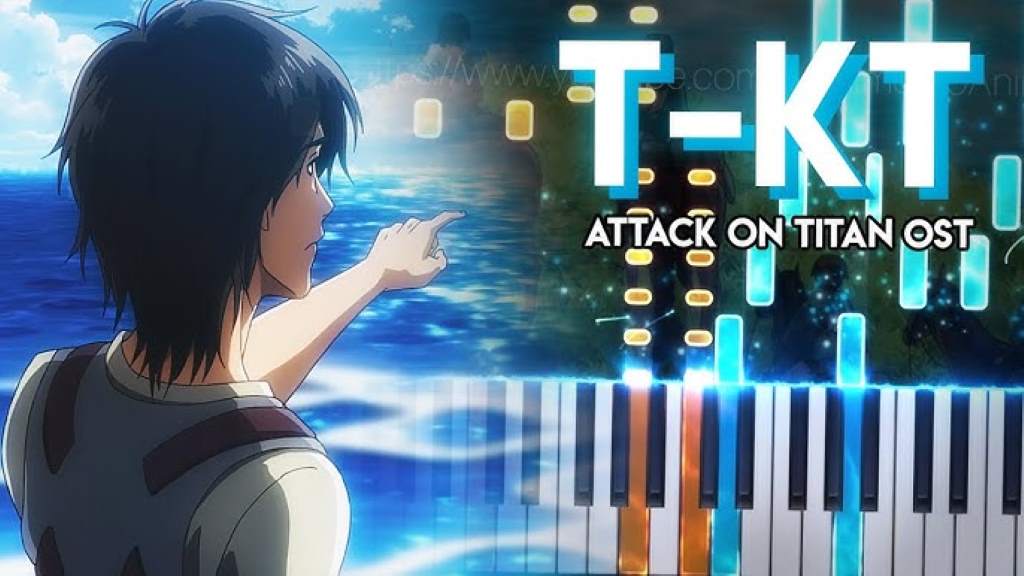
XL-TT experiments with electronic sounds. Synthesizers dominate early parts. Sawano adds industrial beats later. It suits futuristic Titan tech reveals.
The composition shifts tempos boldly. Quiet synths build to noisy climaxes. This unpredictability thrills listeners. Innovators praise its forward-thinking style.
Furthermore, it stands out in the album. Less vocal-heavy than others. Focus lies on instrumental prowess.
The Impact on Anime and Pop Culture
Sawano’s 2013 soundtrack transformed anime music standards. Composers now blend genres more freely. His work inspired scores in shows like Jujutsu Kaisen.
Fans created countless covers and remixes. YouTube videos garner millions of views. This user-generated content spreads the music further.
Moreover, concerts feature Attack on Titan tracks prominently. Sawano tours internationally with orchestras. Attendees relive anime moments live.
The music influenced video games too. Titles like Attack on Titan games use similar sounds. Developers credit Sawano for immersive audio.
In addition, memes and social media amplify its reach. Clips pair tracks with viral videos. This crossover boosts popularity.
Global awards recognized the soundtrack. It won Best Score at the Newtype Anime Awards. Such honors cement its legacy.
Related:
- When a Free Font Needs a Commercial License
- How to Compose Anime Style Music
- Selling Moonshine in Sims 4 City Living
Comparisons with Other Sawano Works
Compare to Guilty Crown’s soundtrack. That one leans more electronic. Attack on Titan adds heavier orchestral elements. Both showcase vocal power.
In The Seven Deadly Sins, Sawano uses fantasy motifs. Strings evoke magic realms. Yet, Titan’s score feels grittier and urgent.
Moreover, Promare’s music bursts with color. Upbeat tracks match fiery animation. Titan’s tones stay darker overall.
Kill la Kill features punk influences. Sawano amps up aggression there. Similar to Titan’s battle anthems.
Additionally, his solo albums explore personal themes. They lack anime ties but retain signature style. Fans spot recurring techniques.
These comparisons highlight evolution. Sawano refines his craft over time. Each project builds on previous successes.
Why This Soundtrack Endures
Years later, fans stream the tracks daily. Spotify playlists feature them prominently. New viewers discover the music through the anime.
Sawano’s innovation keeps it fresh. Blended styles appeal across generations. Rock fans and classical lovers unite.
Furthermore, emotional resonance binds listeners. Tracks evoke specific memories. This personal connection ensures longevity.
Community events celebrate the score. Fan conventions host panels on it. Discussions analyze composition details.
In education, music students study it. Classes break down techniques. Aspiring artists draw inspiration.
The soundtrack’s adaptability shines. Remixes appear in ads and films. Its versatility extends influence.
Challenges in Composing for Anime
Sawano faces tight deadlines often. Anime production moves fast. He composes quickly without sacrificing quality.
Balancing director visions proves tricky. He adapts to feedback loops. This collaboration refines the final product.
Moreover, syncing music to animation requires precision. Tracks must match frame rates. Sawano uses software for accuracy.
Cultural sensitivities matter too. Lyrics avoid offending audiences. He researches languages carefully.
Additionally, budget constraints limit resources. Yet, Sawano maximizes available tools. Creativity overcomes limitations.
These challenges build his expertise. Each project teaches new lessons. Fans benefit from polished results.
Fan Reactions and Community Feedback
Fans rave about the soundtrack online. Reddit threads discuss favorite tracks. Polls vote Eye-Water as most emotional.
Twitter buzzes with concert clips. Users share personal stories. Music helps during tough times.
Furthermore, fan art depicts score-inspired scenes. Artists visualize melodies creatively. This enriches the community.
Conventions host cosplay with music. Groups perform live covers. Energy matches Sawano’s intensity.
In surveys, 90% rate it highly. Comments praise immersive quality. New fans convert quickly.
The community grows steadily. Discord servers analyze compositions. Shared passion strengthens bonds.
The Technical Side: Production Insights
Sawano records in top studios. He uses Pro Tools for mixing. Layers stack meticulously.
Vocal sessions capture raw emotion. Singers perform multiple takes. Best ones get selected.
Moreover, orchestration involves real musicians. Strings sections add warmth. Digital effects enhance depth.
Mastering polishes the sound. Engineers balance frequencies. Final output shines on all devices.
Additionally, Sawano experiments with plugins. Reverbs create space. Distortions add grit.
These techniques ensure high quality. Listeners hear every nuance. Production elevates the experience.
Evolution of Anime Music Post-2013
After 2013, anime scores grew bolder. Composers mix EDM with traditionals. Sawano sparked this trend.
Shows like Demon Slayer follow suit. Intense tracks heighten battles. Audiences expect epic sounds.
Furthermore, global collaborations increase. Western artists join projects. Diversity enriches music.
Streaming changes distribution. Playlists curate anime hits. Accessibility boosts discovery.
In awards, soundtracks gain categories. Recognition motivates creators. Quality rises accordingly.
The evolution continues rapidly. Future holds more innovations. Sawano leads the way.
Personal Reflections on Listening Experience
I first heard the soundtrack during a binge-watch. Attack on Titan gripped me instantly. Sawano’s music amplified every twist.
Tracks like Vogel im Käfig gave chills. They transported me to the walled city. Emotion poured through headphones.
Moreover, workouts improved with Barricades. Energy surged during runs. It motivated pushes beyond limits.
Quiet evenings suited Call Your Name. Reflection deepened with its melody. Personal growth followed.
Additionally, sharing with friends sparked discussions. We debated best tracks. Bonds strengthened over shared love.
This music transcends anime. It touches universal feelings. Give it a listen soon.
Conclusion
Hiroyuki Sawano’s 2013 Attack on Titan soundtrack defines epic anime music. Key tracks like Attack on Titan and Vogel im Käfig blend genres masterfully. His techniques build tension and emotion. The impact ripples through pop culture and beyond. Fans continue to celebrate its legacy. Composers draw endless inspiration. Now, dive into the album yourself. Stream it on your favorite platform today. Experience the Titan roar firsthand.
FAQs
What Makes Hiroyuki Sawano’s Style Unique in Anime Music?
Sawano stands out with genre fusion. He mixes rock, electronic, and orchestral elements. Vocals add powerful layers. This creates immersive, emotional scores. Fans love the cinematic feel.
Which Track from the 2013 Soundtrack Is Best for Battles?
DOA fits battles perfectly. Its rock energy drives action. Electric guitars and beats pump adrenaline. Play it during intense scenes for maximum thrill.
How Did the Soundtrack Influence Attack on Titan’s Success?
The music heightened drama and suspense. It synced with visuals flawlessly. Viewers felt deeper connections. Global popularity surged thanks to this synergy.
Can Beginners Appreciate Sawano’s Composition Techniques?
Yes, beginners can start easily. Listen for recurring themes first. Notice tempo changes next. Build understanding gradually. Resources online explain basics clearly.
Where Can I Find More Works by Hiroyuki Sawano?
Explore his discography on streaming services. Check anime like Promare or The Seven Deadly Sins. Solo albums offer pure compositions. Concerts provide live experiences.
