

Generative AI ecommerce use cases refer to practical ways online stores use AI models to create content, automate decisions, personalize experiences, and improve operations across the ecommerce funnel.
Modern ecommerce is no longer just about listing products and running ads. Competition is higher. Customer attention is lower. Margins are tighter. Many ecommerce brands struggle with the same problems: low conversion rates, high cart abandonment, poor personalization, slow content creation, and rising operational costs.
This is where generative AI changes the game.
Unlike traditional automation, generative AI can create. It writes product descriptions, generates images, answers customer questions, predicts demand, and personalizes shopping journeys in real time. According to McKinsey, companies that adopt AI-driven personalization see revenue increases of 10–15% on average. Shopify merchants using AI tools have reported faster time-to-market and lower content costs.
This article breaks down 10 practical, real-world generative AI ecommerce use cases that brands are actively using today. Each section starts with a clear answer, then explains how it works, where it delivers value, and what results businesses are seeing.
If you want actionable ecommerce AI applications—not hype—this guide is for you.
How does generative AI improve product descriptions at scale?
Generative AI creates SEO-friendly, conversion-focused product descriptions automatically using product data and buyer intent signals.
Manually writing thousands of product descriptions is slow and inconsistent. Many ecommerce stores reuse supplier descriptions, which hurts SEO and trust.
Generative AI models analyze product attributes, customer reviews, search intent, and competitors. They then generate unique descriptions tailored to different audiences.
- Short descriptions for category pages
- Detailed descriptions for product pages
- Bullet-point benefits for mobile users
Case insight: A mid-sized fashion retailer reduced content production time by 70% and increased organic product page traffic by 18% after replacing duplicate descriptions with AI-generated originals.
This is one of the most widely adopted AI use cases in ecommerce today.
How can generative AI personalize the ecommerce shopping experience?
Generative AI personalizes content, recommendations, and messaging in real time based on user behavior.
Traditional personalization uses fixed rules. Generative AI adapts continuously.
It analyzes:
- Browsing history
- Purchase patterns
- Location and device
- Time-based intent signals
The AI then generates personalized product recommendations, banners, emails, and even landing page copy.
Real-world result: Ecommerce brands using AI-driven personalization report conversion rate lifts between 10–30%, according to Salesforce data.
This makes personalization one of the highest-ROI ecommerce AI applications.
How does generative AI power ecommerce chatbots and virtual assistants?
Generative AI enables conversational chatbots that answer questions, recommend products, and resolve issues instantly.
Older chatbots followed scripts. They failed when users asked unexpected questions.
Modern AI assistants:
- Understand natural language
- Handle complex product queries
- Provide personalized recommendations
- Assist with order tracking and returns
Case data: An electronics ecommerce store reduced customer support tickets by 35% and improved response time from hours to seconds using an AI-powered assistant.
This improves customer satisfaction while lowering support costs.
How can generative AI optimize ecommerce product images and visuals?
Generative AI creates and enhances product images without expensive photo shoots.
AI can generate:
- Product images on different backgrounds
- Lifestyle images
- Color and variant previews
- Zoom-enhanced visuals
This is especially useful for small and mid-sized sellers who cannot afford frequent photography updates.
Observed impact: Brands using AI-generated visuals have reported higher engagement and up to 25% better click-through rates on ads.
Visual optimization is a fast-growing AI use case in ecommerce.
How does generative AI improve ecommerce search and product discovery?
Generative AI improves on-site search by understanding intent instead of keywords.
Shoppers often search using vague or conversational phrases. Traditional search struggles with this.
AI-powered search:
- Interprets natural language queries
- Understands synonyms and context
- Suggests related products dynamically
Business outcome: Retailers using AI search tools report lower bounce rates and higher average order value.
This directly impacts revenue by helping users find products faster.
How can generative AI automate ecommerce email marketing?
Generative AI creates personalized email content at scale for different customer segments.
Instead of one-size-fits-all campaigns, AI generates:
- Personalized subject lines
- Dynamic product recommendations
- Behavior-based follow-ups
Case example: An online beauty brand increased email open rates by 22% and revenue per email by 15% using AI-generated campaigns.
Email automation remains one of the strongest ecommerce AI applications.
How does generative AI help with dynamic pricing and promotions?
Generative AI adjusts pricing and promotions based on demand, competition, and customer behavior.
The AI analyzes:
- Inventory levels
- Competitor prices
- Seasonality
- User willingness to pay
It then generates pricing strategies in real time.
Measured result: Dynamic pricing systems powered by AI can improve profit margins by 5–10%, according to retail analytics studies.
How can generative AI improve ecommerce inventory forecasting?
Generative AI predicts demand more accurately using historical and real-time data.
Poor forecasting leads to overstock or stockouts.
AI models consider:
- Past sales trends
- Marketing activity
- External factors like seasonality
Operational impact: Retailers using AI forecasting reduce excess inventory and improve cash flow.
This is a backend use case with major financial impact.
How does generative AI support ecommerce fraud detection?
Generative AI identifies unusual patterns to prevent fraud without blocking real customers.
It analyzes transaction behavior in real time.
This helps ecommerce brands:
- Reduce chargebacks
- Protect customer trust
- Lower false declines
Result: AI-driven fraud systems have reduced fraudulent transactions by over 30% in large ecommerce platforms.
How can generative AI assist ecommerce merchandising and planning?
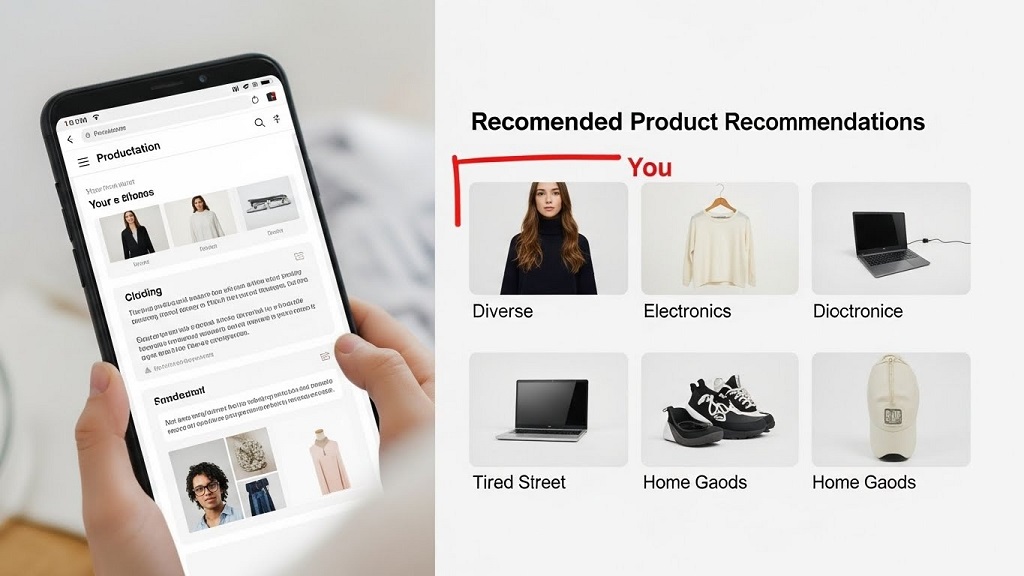
Generative AI helps plan assortments, bundles, and merchandising strategies.
The AI evaluates:
- Sales velocity
- Customer preferences
- Product relationships
It then suggests product bundles, cross-sell opportunities, and category optimizations.
This improves average order value and customer lifetime value.
Why should ecommerce brands adopt generative AI now?
Generative AI is no longer experimental in ecommerce. It is operational.
From content creation to personalization, from customer support to inventory planning, these generative AI ecommerce use cases are already delivering measurable results. Brands using ecommerce AI applications are moving faster, reducing costs, and creating better customer experiences.
The biggest risk today is not adopting AI incorrectly. It is ignoring it entirely.
Start small. Test one or two AI use cases in ecommerce that directly impact revenue or efficiency. Measure results. Scale what works.
Call to Action: If you are building or managing an ecommerce business, audit your current workflows today. Identify where generative AI can save time, reduce friction, or increase conversions—and start implementing now.
Frequently Asked Questions About Generative AI Ecommerce Use Cases
What is generative AI in ecommerce?
Generative AI in ecommerce refers to AI systems that create content, recommendations, and decisions automatically to improve online retail operations and customer experience.
Are generative AI ecommerce use cases suitable for small businesses?
Yes. Many ecommerce AI applications are affordable and scalable, making them accessible to small and mid-sized stores.
Does generative AI replace human teams in ecommerce?
No. Generative AI augments human teams by handling repetitive tasks, allowing people to focus on strategy and creativity.
How long does it take to see results from ecommerce AI applications?
Most businesses see measurable improvements within weeks, especially in content, personalization, and customer support.
Is generative AI safe to use for customer data?
When implemented with proper data governance and compliance, generative AI systems can safely handle customer data.
What is the biggest benefit of AI use cases in ecommerce?
The biggest benefit is improved efficiency combined with better customer experience, leading to higher revenue.
Related Topics: The Rise of TikTok Micro-Influencers: Why Small Creators Drive Big Results
Related Topics: Anime Music Attack on Titan: Hiroyuki Sawano 2013 Review
