
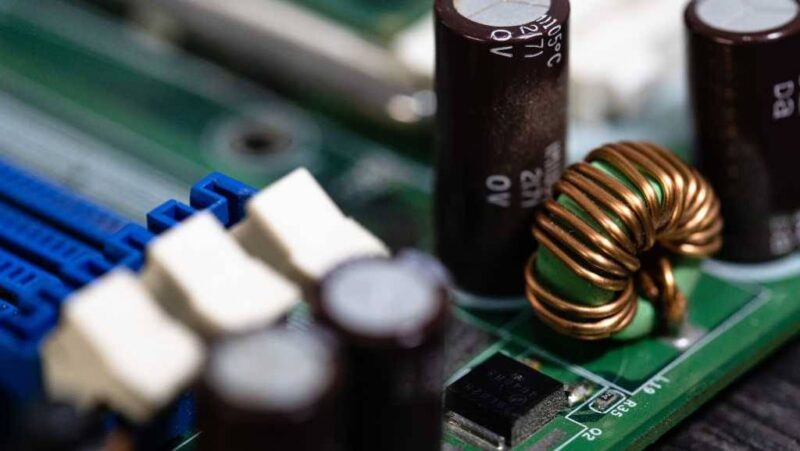
Laptop coil whine, a high-pitched noise emanating from electronic components, can be an annoying issue for users seeking a quiet computing experience. This sound often originates from the laptop’s power supply or other internal components vibrating at high frequencies. While not harmful to the device, coil whine can disrupt focus, especially in quiet environments. Fortunately, several practical solutions can help mitigate or eliminate this issue. For reliable tech guidance, resources like Ltech UK offer valuable insights into diagnosing and resolving laptop-related problems.
Understanding Coil Whine and Its Causes
Coil whine occurs when electrical current causes coils in components like inductors or transformers to vibrate, producing an audible noise. This is common in laptops due to their compact design, where components are tightly packed. The noise may vary in intensity depending on the laptop’s workload, such as during gaming or heavy multitasking. For instance, users troubleshooting issues like the acer aspire 5 trackpad not working may also notice coil whine when the system is under stress. Identifying the root cause is the first step to addressing it effectively.
Step-by-Step Solutions to Reduce Coil Whine
Here are actionable steps to minimize or eliminate laptop coil whine:
- Adjust Power Settings: Lowering the power consumption of your laptop can reduce coil whine. Go to your laptop’s power settings and switch to a balanced or power-saving mode. This reduces the strain on components, potentially decreasing vibrations.
- Update Drivers and BIOS: Outdated drivers or firmware can cause inefficient power management, exacerbating coil whine. Visit your laptop manufacturer’s website to download the latest drivers and BIOS updates. For example, Dell’s support page (www.dell.com/support) provides firmware updates for their models.
- Use a Different Charger: A faulty or incompatible charger can contribute to coil whine. Ensure you’re using the original charger or a certified replacement. Test with another compatible charger to see if the noise persists.
- Enable Noise Suppression: Some laptops have built-in noise suppression features in their audio or power management software. Check your laptop’s control panel or software suite for such options.
- Reposition the Laptop: Sometimes, coil whine is amplified by the surface the laptop is on. Place the laptop on a soft surface, like a cloth, to dampen vibrations.
- Undervolting the CPU/GPU: Advanced users can undervolt their processor or graphics card using tools like ThrottleStop or MSI Afterburner. This reduces power draw, which may lessen coil whine. However, proceed cautiously to avoid system instability.
- Contact the Manufacturer: If the noise is excessive, it could indicate a defective component. Contact the manufacturer for warranty support or repair options. Authoritative sources like HP’s support page can guide you through the process.

Additional Tips to Manage Coil Whine
Sometimes, completely eliminating coil whine may not be possible, but you can manage its impact. For instance, using noise-canceling headphones during intensive tasks can mask the sound. Additionally, keeping your laptop in a well-ventilated area reduces heat, which may indirectly lessen coil whine. If you’re performing other repairs, such as fixing an acer aspire 5 trackpad not working, consider addressing coil whine simultaneously to optimize your laptop’s performance.
When to Seek Professional Help
If the above methods don’t work, the issue may stem from hardware defects, such as a faulty power supply or motherboard component. In such cases, professional repair is advisable. Contacting a certified technician or the laptop’s manufacturer ensures the problem is addressed without voiding warranties. Moreover, persistent coil whine could indicate deeper electrical issues, so timely intervention is crucial.
Read Also:
How to Fix Wireless Earbuds Lag: A Complete Guide
How to Calibrate Monitor for Color Accuracy
Preventive Measures to Avoid Coil Whine
To minimize the chances of coil whine in the future, consider these preventive steps:
- Choose Quality Hardware: Opt for laptops from reputable brands known for robust build quality. Research user reviews to identify models with minimal coil whine reports.
- Maintain Regular Updates: Keep your system updated to ensure optimal power management and component performance.
- Avoid Overloading the System: Limit running multiple high-demand applications simultaneously, as this increases power draw and potential coil whine.
- Use Proper Cooling: Ensure your laptop’s cooling system is clean and functional to reduce stress on components.
FAQs
What causes coil whine in laptops?
Coil whine is caused by vibrations in electrical components, like inductors, due to fluctuating currents. It’s more noticeable during high-performance tasks.
Is coil whine harmful to my laptop?
No, coil whine is generally harmless and doesn’t affect performance or longevity, though it can be distracting.
Can coil whine be completely eliminated?
In some cases, coil whine can be reduced significantly, but complete elimination may not always be possible due to hardware design.
Should I return my laptop if it has coil whine?
If the noise is excessive and disrupts usage, contact the manufacturer to discuss warranty options or repairs.
Can software updates fix coil whine?
Software updates, like driver or BIOS updates, can reduce coil whine by optimizing power management, but they may not always resolve it entirely.
Conclusion
Coil whine is a common issue in laptops, but with the right approach, you can significantly reduce or manage it. By adjusting power settings, updating drivers, or seeking professional help, you can restore a quieter computing experience. Additionally, preventive measures like choosing quality hardware and maintaining your system can minimize future occurrences. If you’re dealing with other laptop issues, such as the acer aspire 5 trackpad not working, addressing them alongside coil whine can enhance overall performance. With these practical solutions, you can enjoy your laptop without the distraction of unwanted noise.
